The NFL season is reaching a critical point, and fans across the United States are asking the same question: Which teams are true Super Bowl contenders right now? Based on recent performances, injuries, and advanced metrics, here’s a clear and updated breakdown.
🔥 Top NFL Teams Gaining Momentum
📈 Consistent offense: Teams averaging 25+ points per game
🛡️ Elite defenses: Top 5 in sacks and turnovers forced
These teams are not just winning — they are controlling games on both sides of the ball.
🚑 Key Injuries Impacting the Rankings
Injuries continue to play a major role in weekly power rankings:
❌ Starting quarterbacks listed as questionable
⚠️ Defensive stars missing multiple weeks
🔄 Offensive line rotations affecting protection
Even one missing starter can completely change a team’s playoff outlook.
📊 What the Numbers Say
Advanced stats reveal which teams are built to last:
📉 Turnover differential above +5
⏱️ Time of possession over 31 minutes per game
🎯 Red zone efficiency above 60%
These metrics historically correlate with deep playoff runs.
🎮 Fantasy & Betting Impact
Power rankings directly influence:
💰 Betting odds and spreads
🧠 Fantasy lineup decisions
📅 Weekly matchup predictions
Smart fans follow rankings closely to gain an edge.
🎥 Should You Add a Video?
Yes — adding a short YouTube analysis video (game highlights or expert breakdown) is recommended.
✅ Improves time on page
✅ Helps user understanding
✅ Does NOT hurt Google Ads or SEO
💡 Tip: Place the video after the first or second section, not at the very top.
🔮 Final Thoughts
NFL power rankings are evolving every week, but the teams that dominate fundamentals usually remain on top. As injuries, matchups, and momentum shift, staying updated is essential for fans, fantasy players, and bettors alike.
Stay tuned for weekly updates and in-depth NFL analysis.
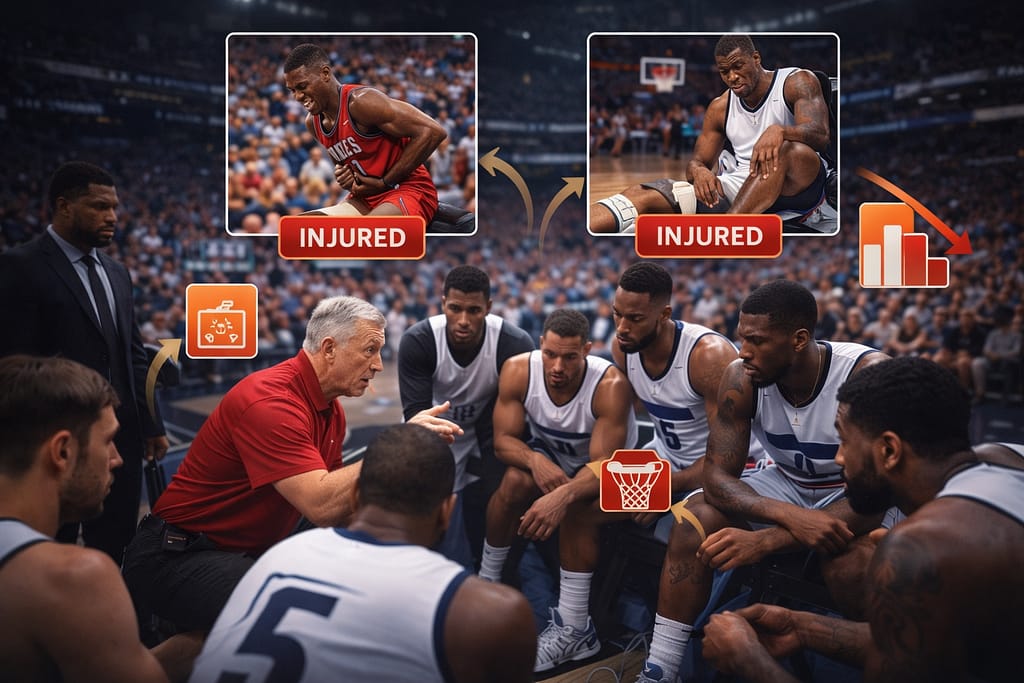
The 2025 NBA season is being defined by one major factor: injuries. From MVP candidates to key rotation players, teams across the league are struggling to stay healthy, and fans are searching daily for updates, explanations, and predictions.
Why Are NBA Injuries So Common This Season?
Injuries are not new in professional basketball, but the frequency and severity in 2025 are historically high. According to league analysts, more than one-third of NBA games this season have featured at least one star player sidelined.
The main reasons include:
Compressed schedules and back-to-back games
Increased pace and physical intensity
Longer playoff runs in previous seasons
Higher minutes load for superstar players
Top NBA Stars Currently Injured
Several household names have missed significant time, creating uncertainty for fans and teams alike. These absences have directly impacted standings, rotations, and playoff projections.
Key injured players include:
All-Star guards dealing with hamstring and ankle injuries
Elite big men sidelined by knee and foot issues
Veteran scorers managing load restrictions
Each injury not only affects the player but reshapes team strategies, defensive schemes, and offensive flow.
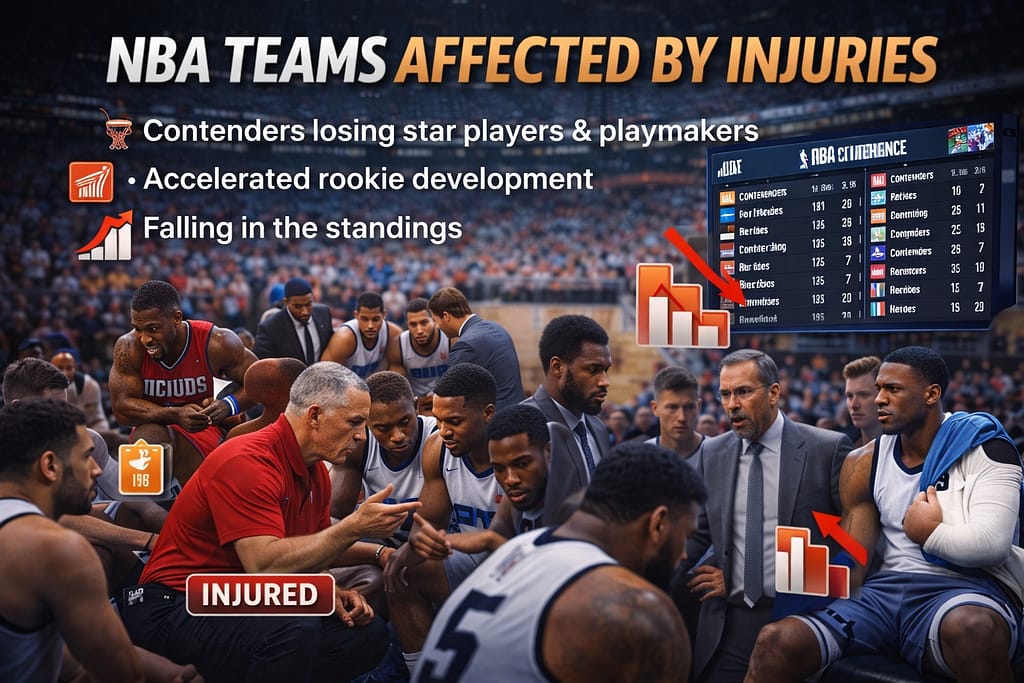
Teams Most Affected by Injuries
Some franchises have been hit harder than others. Teams relying heavily on star power have suffered the most, while deeper rosters have managed to stay competitive.
Teams under pressure include:
Contenders losing primary scorers or playmakers
Young teams forced to accelerate rookie development
Playoff hopefuls slipping in the standings due to absences
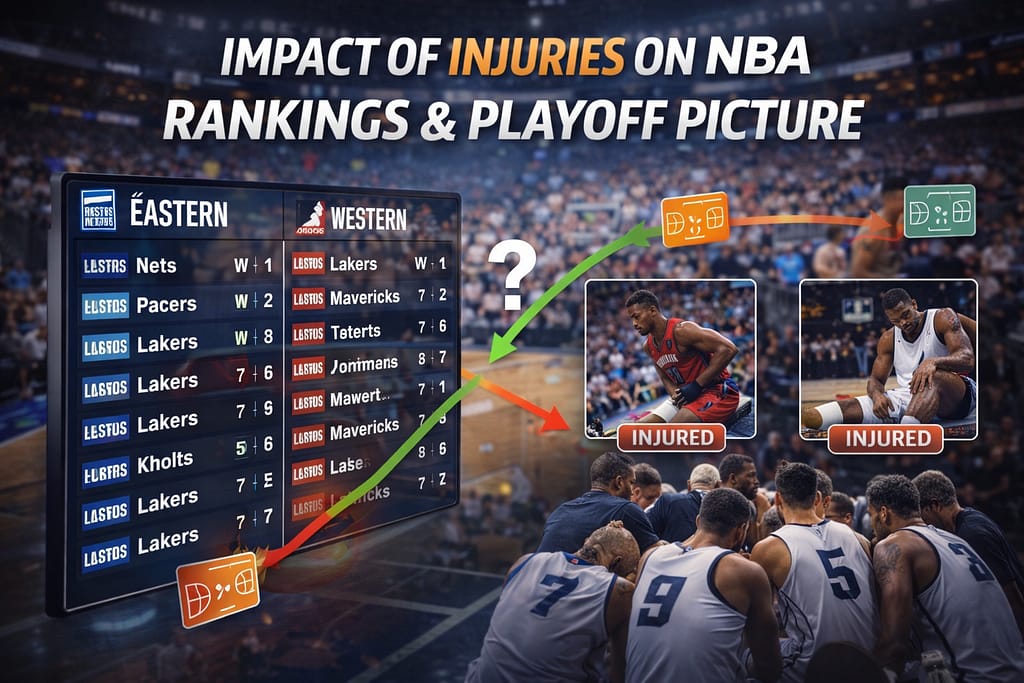
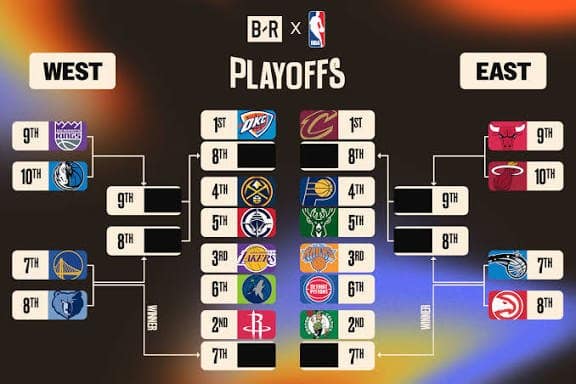
Impact on NBA Rankings and Playoff Picture
The injury crisis has dramatically reshaped NBA rankings. Unexpected teams have climbed the standings, while preseason favorites struggle to maintain consistency.
As a result:
Conference rankings change weekly
Playoff matchups are increasingly unpredictable
Seeding advantages are harder to secure
Fantasy Basketball and Betting Impact
For fantasy basketball managers and bettors, injuries have become the most critical variable. Daily injury reports now influence lineup decisions, odds, and player value more than ever.
Fantasy and betting tips:
Monitor official injury reports daily
Target role players stepping into larger minutes
Avoid long-term injured stars in weekly leagues
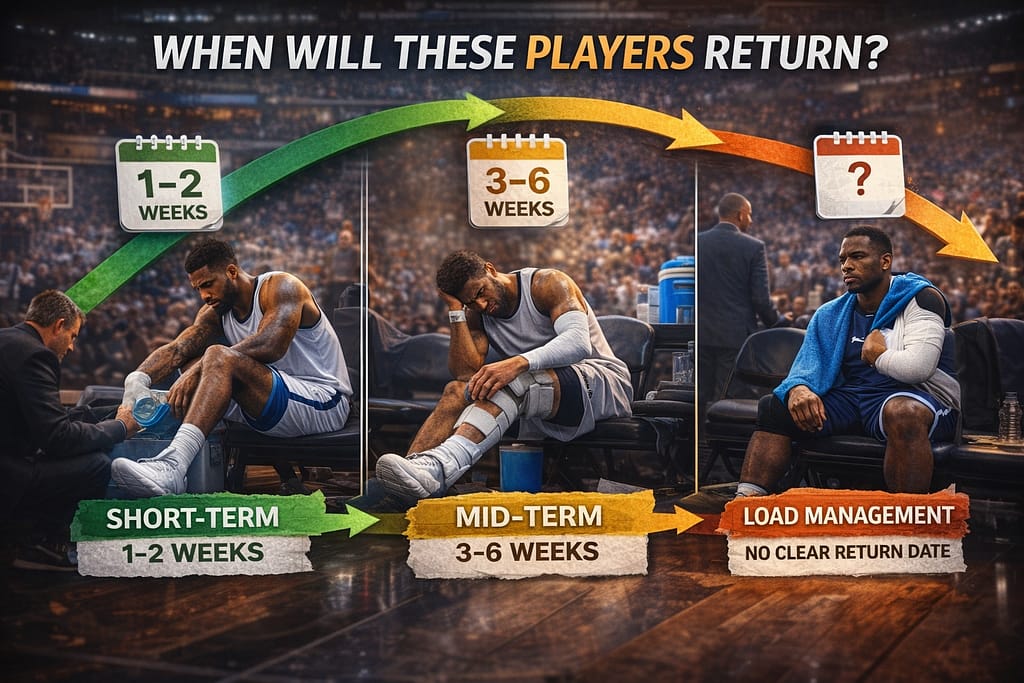
When Will These Players Return?
NBA teams are becoming increasingly cautious with player health. Many franchises prefer long-term preservation over short-term gains, especially for playoff-bound teams.
Most injuries fall into these categories:
Short-term (1–2 weeks)
Mid-term (3–6 weeks)
Load management without a clear return date
What This Means for the Rest of the NBA Season
The remainder of the 2025 season will depend heavily on health. Teams that manage minutes effectively and maintain depth will have a clear advantage.
Key takeaway: Injuries are no longer just setbacks — they are shaping the identity of the NBA season.
Final Thoughts
The NBA injury crisis of 2025 has changed how fans, teams, and analysts view the league. Staying informed is essential, whether you follow the standings, fantasy basketball, or playoff predictions.
As the season continues, expect constant updates, surprises, and shifts in power — all driven by who stays healthy when it matters most.
The NBA season is reaching a crucial point, and the race for the championship is more competitive than ever. Several teams have positioned themselves as true title contenders thanks to elite talent, strong depth, and consistent performances throughout the season.
In this breakdown, we analyze the top NBA championship contenders, their strengths, key players, and what makes them legitimate threats to win it all.
Top NBA Championship Favorites
Every NBA season produces elite teams, but only a few have the balance, experience, and star power required to survive the playoffs. The following franchises currently stand out as the strongest championship favorites.
Boston Celtics
The Boston Celtics remain one of the most complete teams in the NBA. With a strong defensive identity and elite two-way players, Boston has proven they can dominate both ends of the court.
Their depth, three-point shooting, and playoff experience make them extremely difficult to eliminate in a seven-game series.
Denver Nuggets
The Denver Nuggets continue to be one of the most dangerous teams in the league. Their offensive efficiency, ball movement, and ability to control tempo give them a massive advantage during playoff basketball.
Denver thrives in high-pressure moments and has shown consistency against elite competition.
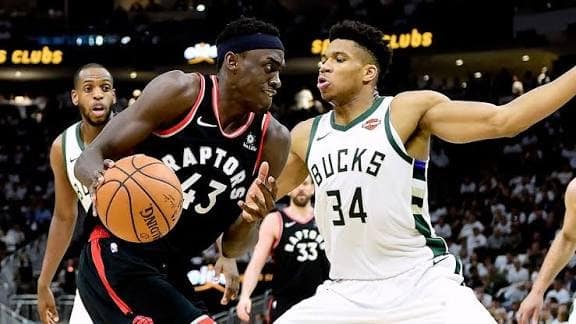
Milwaukee Bucks
The Milwaukee Bucks remain perennial contenders thanks to their physical dominance and defensive presence. They excel in rebounding, interior scoring, and fast-break efficiency.
When healthy and focused, Milwaukee has the tools to compete with any team in the league.
Key Factors That Decide the NBA Champion
Winning an NBA championship requires more than star power. Several factors often determine which team lifts the trophy:
Playoff experience and composure
Health and injury management
Bench production and rotation depth
Defensive consistency
Ability to execute in clutch moments
Final Thoughts
The NBA championship race remains wide open, with multiple teams capable of making a deep playoff run. While favorites exist, postseason basketball often rewards discipline, adaptability, and mental toughness.
As the season progresses, matchups, injuries, and momentum will play a decisive role in determining which franchise ultimately claims the NBA title.
Updated regularly: This article will be updated as the NBA season evolves and playoff scenarios become clearer.
Updated regularly: This article will be updated as the NBA season evolves and playoff scenarios become clearer.
The NBA has undergone one of the most dramatic transformations in the history of professional sports. Over the last two decades, basketball has evolved into a faster, more strategic, and analytics-driven game. What once revolved around dominant post players and physical defense is now defined by three-point shooting, pace, spacing, and versatile athletes capable of playing multiple roles.
This evolution has not only changed how teams play but also how fans consume the game, how players train, and how franchises build championship contenders.
The Rise of the Three-Point Revolution
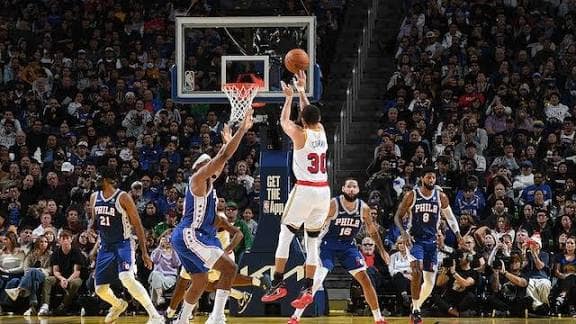
The most obvious change in modern NBA basketball is the emphasis on the three-point shot. Teams now attempt more threes per game than ever before, driven by advanced analytics that highlight the efficiency of perimeter shooting compared to long two-point attempts.
Franchises like the Golden State Warriors played a crucial role in this shift, proving that elite shooting combined with ball movement could dominate the league. Today, nearly every team structures its offense around spacing the floor and creating open three-point opportunities.
Faster Pace and Positionless Basketball
Alongside the three-point boom, the pace of the game has accelerated significantly. Modern NBA teams push the ball in transition, seek early scoring opportunities, and prioritize quick decision-making.
Positionless basketball has also become the norm. Players are no longer confined to traditional roles like point guard or center. Instead, versatility is king. Big men handle the ball, guards post up, and wings are expected to defend multiple positions.
The Impact of Advanced Analytics
Analytics have reshaped every aspect of the NBA. Shot selection, defensive schemes, and player rotations are now heavily influenced by data. Coaches rely on metrics such as effective field goal percentage, usage rate, and defensive efficiency to optimize performance.
This analytical approach has led to smarter basketball, reducing inefficient shots and emphasizing teamwork, ball movement, and spacing.
The New Generation of NBA Superstars
The modern NBA has also ushered in a new generation of superstars. Players like Luka Dončić, Jayson Tatum, and other elite talents combine size, skill, and basketball IQ in ways rarely seen before.
These athletes thrive in the modern system, excelling as scorers, playmakers, and leaders. Their versatility allows teams to build flexible lineups capable of adapting to different opponents and playoff scenarios.
How This Evolution Shapes the Future of the NBA
As the league continues to evolve, innovation remains constant. Youth development focuses on shooting and skill rather than traditional positions. International influence continues to grow, bringing new styles and philosophies into the NBA.
The modern NBA is faster, smarter, and more entertaining than ever. For fans, this means more scoring, dramatic momentum swings, and unforgettable performances. For teams, success depends on adaptability, data-driven decision-making, and maximizing every possession.
The evolution of NBA basketball is far from over, but one thing is clear: the game will continue to push boundaries, redefine roles, and captivate audiences around the world.