The football has changed dramatically over time. In the United States, its evolution mirrors the growth of the sport itself — from rough leather balls to precision-engineered equipment used in the NFL today.
🟤 1800s – The Early Leather Era
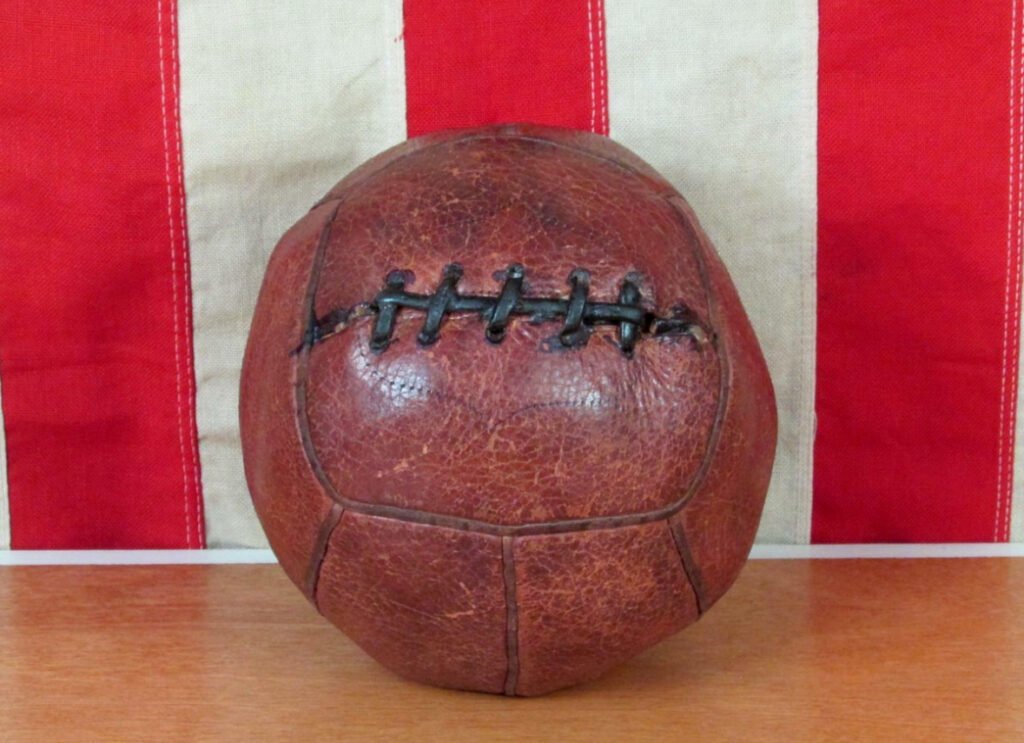
In the late 19th century, footballs were handmade from thick leather and inflated with animal bladders. Each ball was different in shape and weight, making passing extremely difficult.
🐄 Animal bladder inside
📏 Inconsistent size and shape
🌧️ Absorbed water in rain
📜 1906 – Rule Changes That Changed the Ball
When the forward pass was legalized in American football, the ball had to change. A more elongated shape was introduced to improve throwing accuracy.
✋ Easier grip
🎯 Improved passing
📐 More oval design
🏫 1930s–1940s – Standardization in College & Pro Football
As football grew in popularity across U.S. colleges and professional leagues, strict standards were introduced for ball size, weight, and air pressure.
⚖️ Official weight regulations
📏 Consistent dimensions
🏟️ League-approved footballs
⭐ 1941 – Wilson Becomes the Official NFL Ball
Wilson Sporting Goods became the official supplier of NFL footballs — a partnership that still exists today. This marked the start of modern football manufacturing.
🏈 Wilson “The Duke” introduced
🖐️ Pebbled leather texture
🏆 Professional-grade consistency
🧪 1970s–1990s – Technology Enters the Game
New tanning processes and synthetic laces improved durability and grip. Footballs became lighter, tougher, and more weather-resistant.
🌦️ Better performance in rain & cold
🧵 Stronger stitching
🎯 Improved spiral stability
🚀 2000s–Today – Precision Engineering
Modern NFL footballs are engineered for elite performance. Every ball is tested, broken in, and inspected before reaching the field.
🔬 Laboratory-tested air pressure
🖐️ Enhanced grip zones
📡 Used in data-driven performance analysis
📅 Timeline Summary
🟤 1800s – Handmade leather balls
📜 1906 – Forward pass changes design
🏫 1930s – Standardization
⭐ 1941 – Wilson NFL partnership
🚀 2000s – High-tech footballs
🏆 Final Thought
The football is more than equipment — it’s a symbol of how American football evolved. From muddy fields to billion-dollar stadiums, the ball changed to meet the demands of the game.
Soccer referees in the United States play a crucial role in maintaining the integrity of the game. From youth leagues to Major League Soccer (MLS), referee salaries vary significantly depending on experience, competition level, and match responsibility.
⚽ Average Salary of a Soccer Referee in the USA
On average, professional soccer referees in the United States earn between $40,000 and $70,000 per year. Entry-level referees may earn much less, while elite officials working top-tier matches can exceed this range.
🏟️ MLS Referee Salaries
Referees officiating in Major League Soccer are among the highest-paid in the country. Their compensation includes base salary, match fees, travel coverage, and performance bonuses.
Main Referee: $900 – $1,500 per match
Assistant Referee: $600 – $800 per match
Fourth Official: $300 – $500 per match
📈 What Affects a Referee’s Salary?
Level of competition (youth, college, professional)
Years of experience and certifications
Role in the match (center referee vs assistant)
Physical fitness and performance evaluations
🌍 International Opportunities
U.S. referees who reach international level and officiate global tournaments can significantly increase their earnings through international match fees and federation bonuses.
🧠 Final Thoughts
Being a soccer referee in the United States can be a sustainable career path for those who reach the professional level. While grassroots refereeing is often part-time, elite referees enjoy competitive salaries and long-term growth opportunities.
In mixed martial arts, speed changes everything. A single second can separate legend from loss. Over the years, MMA has produced knockouts so fast they rewrote history — moments where preparation, timing, and instinct aligned perfectly.
This is the definitive ranking of the fastest knockouts in MMA history, fully explained with context, tactics, and impact. ⚡
🥇 #1 – Jorge Masvidal vs Ben Askren (5 seconds)
Time: 0:05 Event: UFC 239
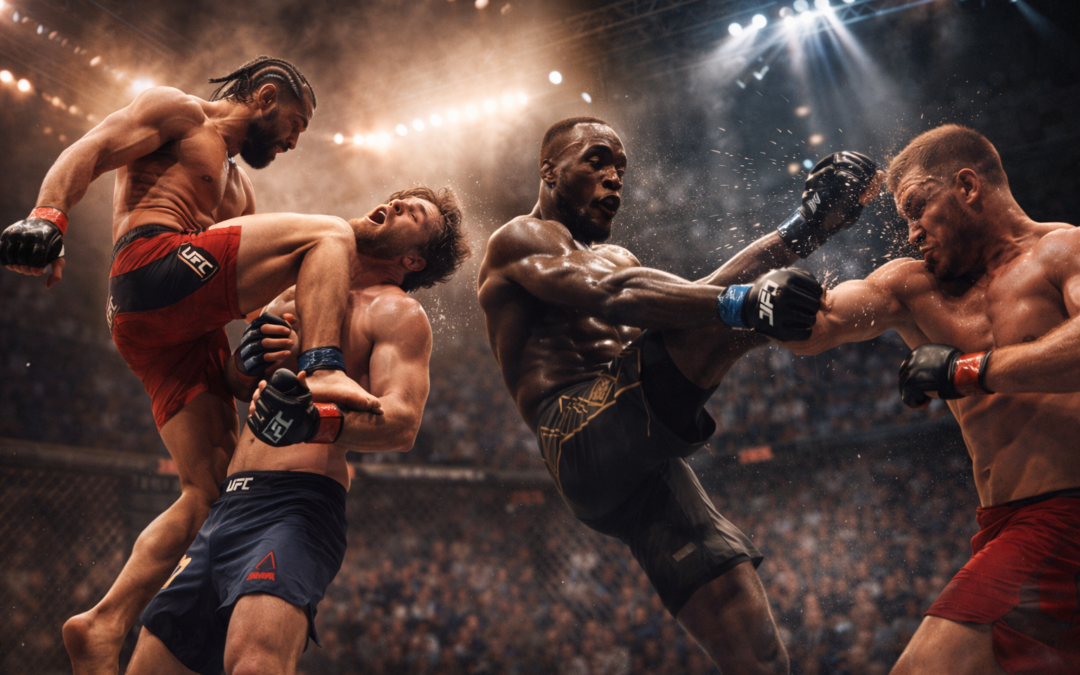
This knockout stands alone in MMA history. Jorge Masvidal anticipated Ben Askren’s trademark aggressive shot and launched a flying knee at the opening bell.
🧠 Why it worked:
Perfect read of opponent tendencies
Explosive acceleration from the first step
Precise knee placement to the head
This wasn’t luck — it was preparation meeting opportunity. The fastest KO ever recorded under unified MMA rules.
🥈 #2 – Duane Ludwig vs Jonathan Goulet (6 seconds)
Time: 0:06 Event: UFC Fight Night
Before Masvidal, Duane Ludwig held the record for years. A lightning-fast right hand dropped Goulet almost instantly.
⚡ Key factor: early overcommitment by the opponent and flawless counter-punch timing.
🥉 #3 – Todd Duffee vs Tim Hague (7 seconds)
Time: 0:07 Event: UFC 102
One of the most violent heavyweight knockouts ever. Duffee closed distance immediately and unleashed a devastating combination.
💥 Why heavyweights dominate fast KOs:
Higher knockout power
Minimal margin for error
Shorter reaction windows
#4 – Chan Sung Jung vs Mark Hominick (7 seconds)
Time: 0:07
Nicknamed “The Korean Zombie,” Jung shocked fans with a perfectly timed right hand.
🎯 Precision over power — a textbook example of timing beating aggression.
#5 – Ryan Jimmo vs Anthony Perosh (7 seconds)
Time: 0:07
Jimmo sprinted across the cage and landed a perfectly placed overhand punch.
🚀 One of the fastest straight-line attacks ever seen in MMA.
#6 – Terrance McKinney vs Matt Frevola (7 seconds)
Time: 0:07
McKinney exploded forward with zero hesitation, overwhelming Frevola before defense could be established.
🔥 Pure aggression paired with speed — a modern-era classic.
#7 – James Irvin vs Houston Alexander (8 seconds)
Time: 0:08
Irvin stunned Alexander with a single left hand that ended the fight immediately.
🧠 Shows how early exchanges are often the most dangerous in MMA.
#8 – Makwan Amirkhani vs Andy Ogle (8 seconds)
Time: 0:08
A rare submission-initiated chaos sequence leading to an instant finish.
🔄 Speed transitions can be just as lethal as strikes.
#9 – Leon Edwards vs Seth Baczynski (8 seconds)
Time: 0:08
Before becoming a champion, Edwards showed elite timing with a rapid head kick.
📈 Early sign of world-class striking instincts.
#10 – Gray Maynard vs Joe Veres (9 seconds)
Time: 0:09
Maynard rushed forward with power punches that ended the fight almost instantly.
⚠️ A reminder that defense in the opening seconds is critical.
📊 What These Knockouts Teach Us
⚡ Speed beats strategy if reactions fail
🧠 Preparation matters more than improvisation
🎯 One clean strike can change history
Fast knockouts are rare, unforgettable, and defining moments in MMA. They highlight the sport’s unpredictability — and why fans stay glued to every opening second.
Baseball history has produced many legends, but only a few players truly changed the game forever. Based on career impact, statistics, influence, and legacy, these are widely considered the three greatest baseball players of all time.
⚾ 1. Babe Ruth – The Player Who Changed Baseball
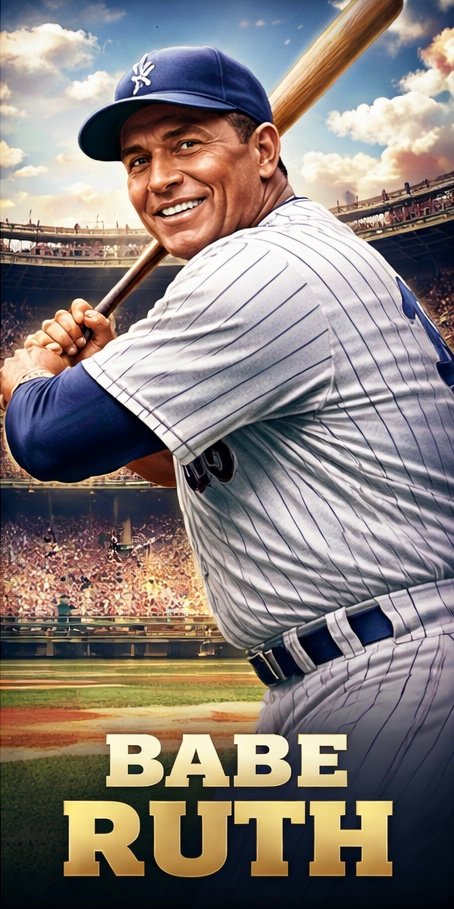
Babe Ruth transformed baseball from a small-ball sport into a power-driven spectacle. His dominance at the plate redefined what hitters could achieve.
🏟️ Era: 1914–1935
💥 Home Runs: 714
📊 Batting Average: .342
🏆 World Series Titles: 7
Ruth was not just a slugger—he was also an elite pitcher early in his career. His cultural impact made baseball America’s national pastime.
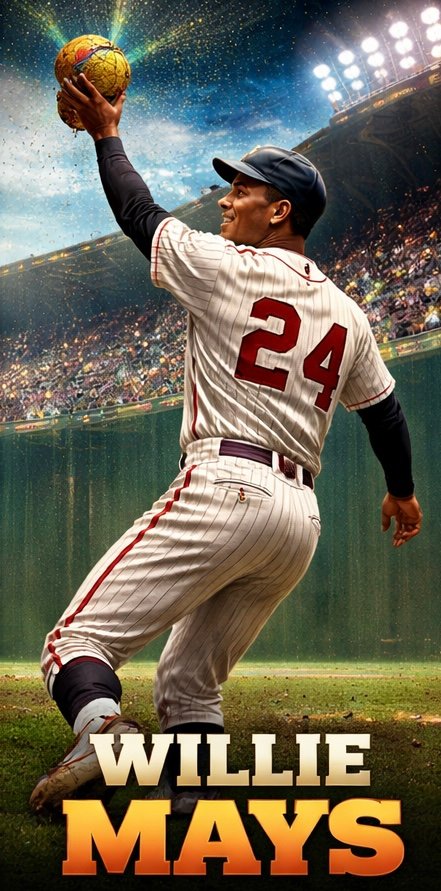
⚾ 2. Willie Mays – The Complete Five-Tool Superstar
Willie Mays is often described as the most complete player in baseball history. He could hit, run, field, throw, and hit for power at an elite level.
🏟️ Era: 1951–1973
💥 Home Runs: 660
🏃 Speed & Defense: Elite center fielder
🏆 Gold Gloves: 12
His famous over-the-shoulder catch remains one of the most iconic defensive plays ever seen in baseball.
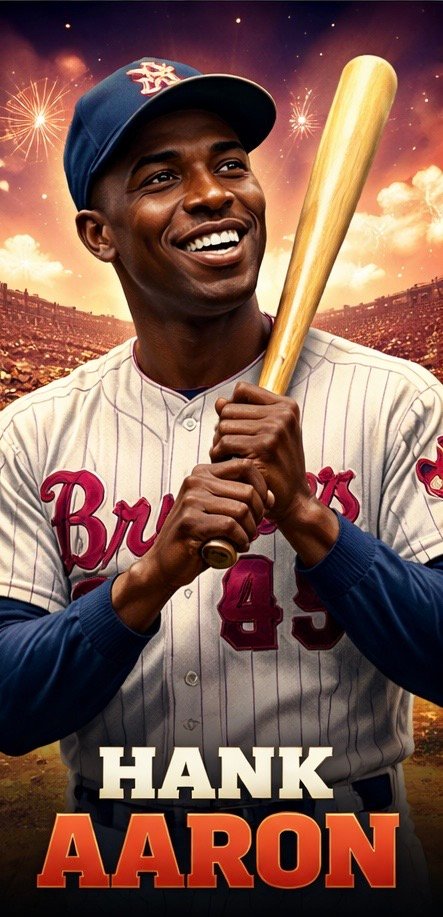
⚾ 3. Hank Aaron – The Model of Consistency and Power
Hank Aaron broke one of sports’ most unbreakable records with grace and consistency, becoming the all-time home run king for decades.
🏟️ Era: 1954–1976
💥 Home Runs: 755
📈 Career RBIs: 2,297
🎯 Career Hits: 3,771
Aaron combined power with durability, excellence, and professionalism, setting standards that still define greatness today.
📊 Why These Three Stand Above the Rest
While many players have achieved greatness, Ruth, Mays, and Aaron stand apart because they:
✅ Dominated their eras
✅ Changed how the game was played
✅ Maintained elite performance over long careers
✅ Left a lasting cultural and statistical legacy
⚾ Final Thoughts
Baseball history continues to grow, but these three legends remain the gold standard. Any debate about the greatest players ever always starts—and often ends—with Babe Ruth, Willie Mays, and Hank Aaron.
🏟️ Baseball evolves, but true greatness lasts forever.
LeBron James is not only one of the greatest basketball players ever — he is officially the highest scorer in NBA history. His scoring record changed basketball forever.
📊 Career Scoring Overview
🔥 Total NBA points: 40,000+ (regular season)
⏳ NBA seasons played: 20+
🏀 Points per game (career): ~27 PPG
🎯 Field goal percentage: ~50%
🏆 The Historic Moment
LeBron broke the all-time scoring record in February 2023, passing Kareem Abdul-Jabbar in a nationally televised game. The moment became one of the most iconic scenes in NBA history.
⏱️ Most Points in a Single Game
💥 Career-high points: 61 points
📍 Achieved during a regular-season game
🔥 Dominated from all areas of the court
🕒 Highest Scoring Quarters
LeBron has recorded multiple 20+ point quarters throughout his career, showing his ability to completely take over games in short periods.
🧠 Why LeBron Scored So Much
💪 Elite physical durability
📈 Long career with minimal decline
🎯 Ability to score inside and outside
🧠 High basketball IQ
📅 Longevity Matters
Unlike many scorers, LeBron maintained elite production into his late 30s, making longevity the key factor behind his record-breaking total.
🔍 How Hard Is This Record to Break?
Extremely difficult. A future player would need:
20+ seasons
Elite health
25+ points per game for nearly two decades
📌 Final Take
LeBron James didn’t just score the most points — he redefined what longevity and consistency mean in professional basketball. His scoring record may stand for generations.